Cash Handling Solutions Evolving to Meet 2026 Business Demands
Viktor Beck · Oct 30, 2026
Cash Handling Solutions Evolving to Meet 2026 Business Demands
Businesses across multiple sectors continue to rely on cash payment services as a fundamental component of their operations, with these services encompassing everything from secure deposit mechanisms to real-time verification systems that process physical currency efficiently. Data from various central banks shows that cash remains a preferred method for small-value transactions in many regions even as digital alternatives expand.
Core Components of Modern Cash Payment Infrastructure
Service providers typically integrate armored transport networks with vault storage facilities and electronic tracking software, allowing merchants to move funds from point-of-sale locations to financial institutions without exposing staff to unnecessary risks. Observers note that these systems often incorporate machine-readable features such as ultraviolet markings and magnetic ink that speed up counting while reducing human error rates during reconciliation processes.
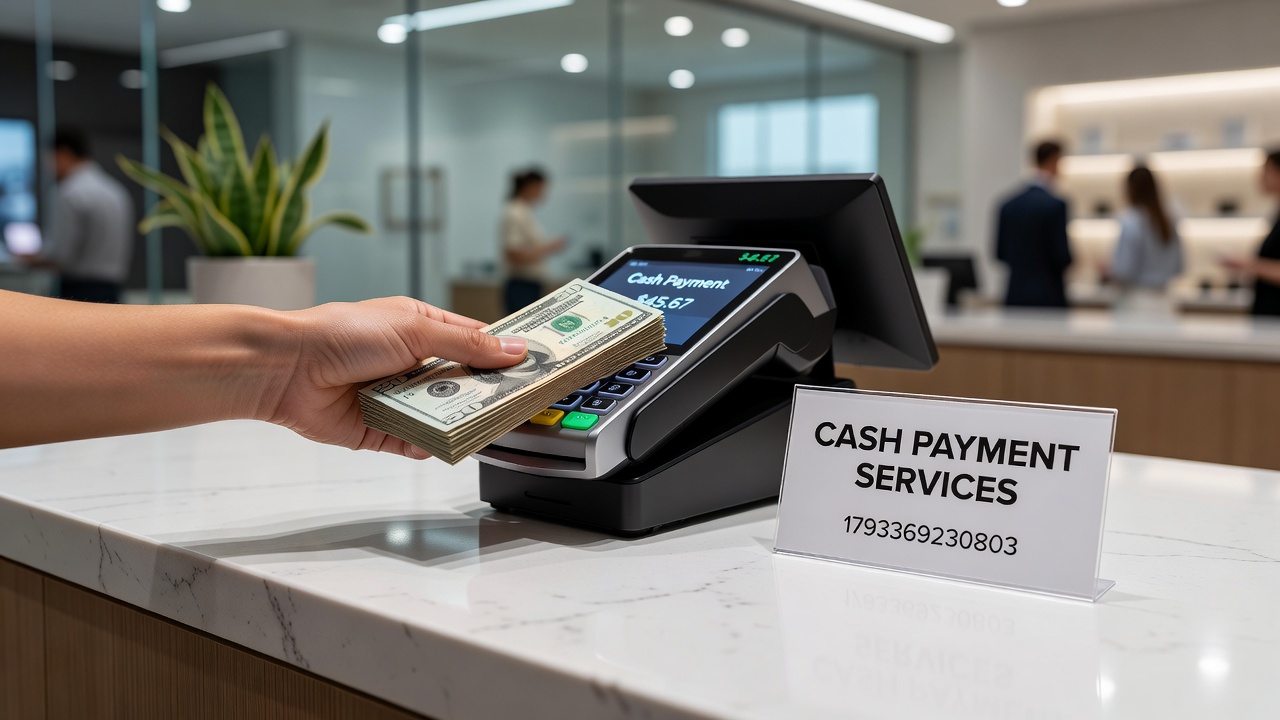
Payment terminals designed for cash acceptance feature built-in validation modules that scan notes for authenticity before accepting them into secure cassettes, and this hardware connects directly to accounting platforms so that daily totals update automatically across multiple locations. Research indicates that organizations using integrated cash management tools report fewer discrepancies compared to those relying on manual logging methods alone.
Geographic Variations in Cash Service Adoption
Markets in North America demonstrate steady demand for cash services particularly in convenience retail and food service categories where transaction volumes remain high throughout the day. Meanwhile European operators have adopted standardized reporting protocols that align with regional banking directives, creating smoother cross-border fund movements for chains operating in several countries simultaneously.
Australian financial authorities have documented how regional businesses utilize cash pickup schedules tailored to seasonal tourism patterns, ensuring that peak-period revenues reach accounts quickly without straining local branch capacities. Those who've examined transaction logs across these areas find that optimized pickup frequencies correlate directly with lower insurance premiums for merchants.

Security Protocols and Regulatory Frameworks
Industry standards require multiple layers of authentication before any large cash transfer receives clearance, including employee background checks combined with real-time GPS monitoring of transport vehicles. According to Federal Reserve data, enhanced tracking has contributed to measurable declines in cash-related incidents over recent reporting periods.
Canadian regulators emphasize training requirements for personnel handling currency, mandating periodic recertification that covers both detection techniques and emergency response procedures. This approach helps maintain consistency across service providers while allowing flexibility for companies to adapt protocols based on specific client needs.
Integration With Broader Financial Ecosystems
Many cash payment services now interface directly with banking APIs so that deposited funds become available for immediate use in payroll or supplier payments rather than waiting through traditional clearing cycles. Figures reveal that businesses taking advantage of these accelerated access options often experience improved cash flow predictability, especially during periods of fluctuating sales volumes.
Reserve Bank of Australia analyses highlight how smaller enterprises benefit when service bundles combine pickup logistics with basic reconciliation reporting, freeing owners to focus on core activities instead of administrative tasks. Such integrations demonstrate measurable efficiency gains without requiring major technology investments from the merchant side.
Operational Considerations for October 2026 and Beyond
As of October 2026, providers continue refining route optimization algorithms that factor in traffic patterns and branch operating hours to minimize delays between collection and deposit. These refinements build on existing infrastructure rather than replacing it, allowing gradual adoption across different business sizes.
Training programs increasingly incorporate scenario-based modules that simulate high-volume days or equipment malfunctions, preparing teams to maintain service continuity under varied conditions. Data shows that organizations investing in such preparation achieve faster recovery times when unexpected disruptions occur.
Conclusion
Cash payment services maintain their position within contemporary commerce by combining physical security measures with digital oversight tools that together support reliable fund movement. Continued alignment between service providers, regulatory bodies, and end users ensures these systems adapt to shifting transaction patterns while preserving the core advantages of speed and accessibility that cash offers in numerous contexts.