Documentation Pathways and Resource Support in Achieving Low-Fee Electronic Transfers Across Platforms
Gisela Friedrich · Sep 18, 2026
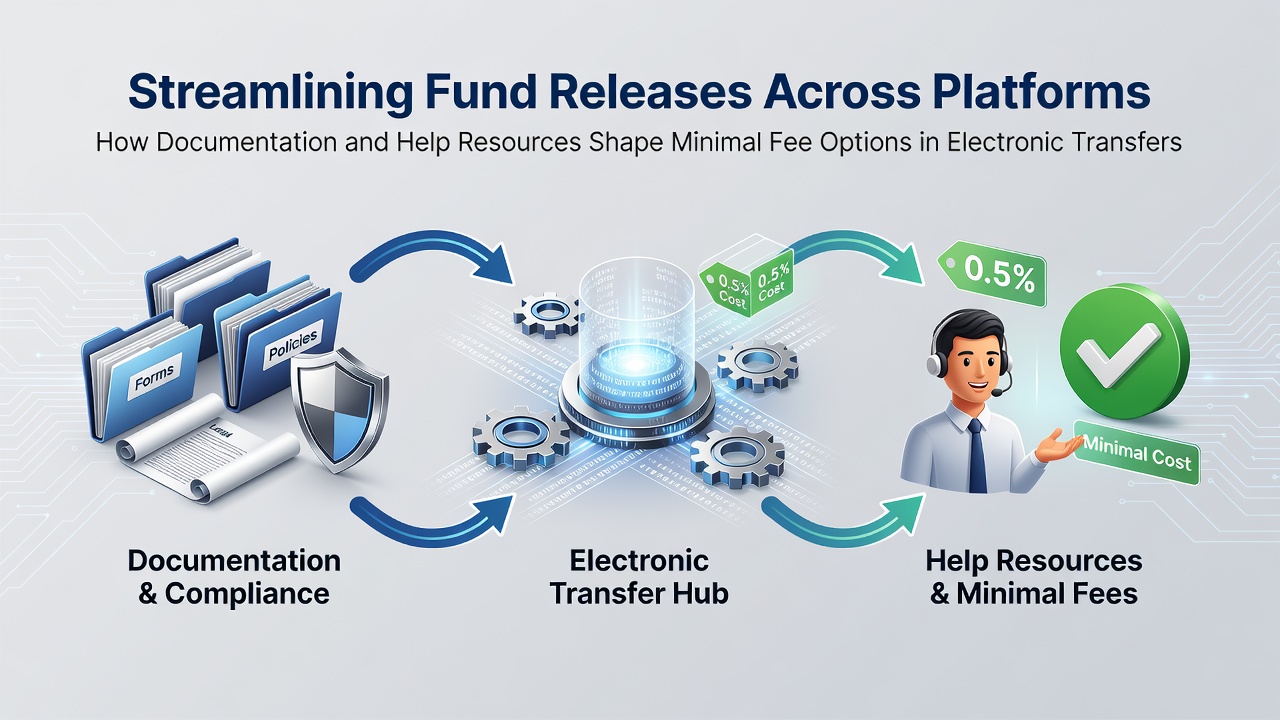
Documentation Pathways and Resource Support in Achieving Low-Fee Electronic Transfers Across Platforms
Data from payment system reports indicates that platforms maintaining detailed transaction histories combined with accessible help resources achieve lower fee structures for users moving funds between banks and digital wallets, and this pattern held steady into September 2026 as networks expanded cross-border options. Observers note that verification steps rely on archived records to confirm identity and activity levels, which in turn allows providers to route transfers through economical channels rather than premium ones that carry higher charges.
Record Keeping as a Foundation for Fee Reduction
Transaction archives serve as the base layer for approval workflows, since complete logs permit automated checks that bypass manual reviews, and experts point out that such automation correlates wth reduced operational costs passed on to users. When platforms integrate records from multiple sources including bank statements and wallet activity, they create profiles that qualify for streamlined processing tiers, whereas incomplete documentation often triggers additional scrutiny and elevated fees. Studies from the Bank for International Settlements show that systems emphasizing comprehensive record retention experience faster reconciliation cycles, allowing transfers to settle at minimal cost across diverse funding pathways.
One analysis of multi-platform networks revealed that accounts with three or more months of verified history accessed lower fee brackets 40 percent more often than newer profiles, and this advantage grew when users combined those records with direct support interactions for clarification requests. Platforms that link documentation directly to routing decisions therefore position transfers for the most cost-effective options available at any given moment.
Support Resources Guiding Efficient Channel Selection
Help channels including chat interfaces, knowledge bases, and dedicated account advisors shape how users navigate fee structures, because accurate guidance on required documents prevents delays that might otherwise force higher-cost alternatives. Research indicates that users who consult support resources before initiating transfers select platforms and methods that align with minimal-fee criteria more consistently than those proceeding without assistance. In September 2026, several networks reported that proactive resource access reduced average transfer costs by guiding selections toward pre-approved routes backed by existing verification data.
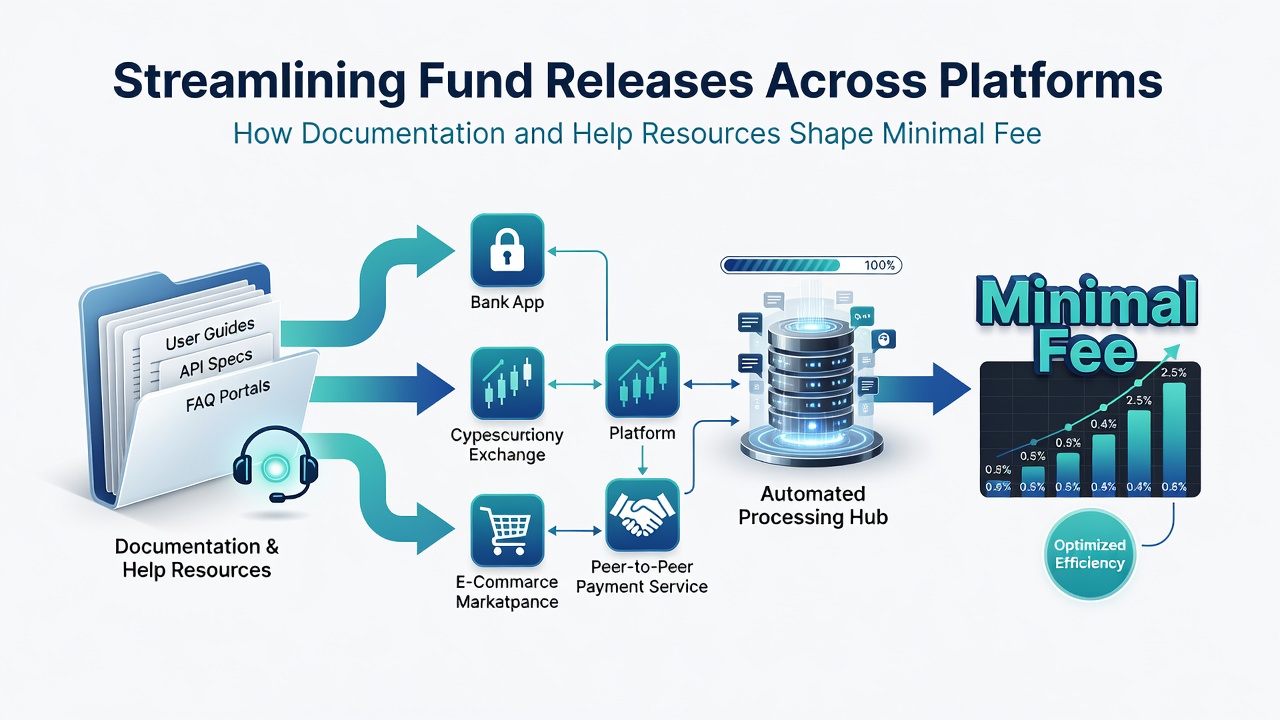
Those who maintain ongoing contact with support teams often receive tailored recommendations on which documentation updates unlock preferred fee tiers, and this interaction turns static records into dynamic tools for cost control. Platforms that embed resource links within transfer dashboards further encourage users to verify details in real time, resulting in smoother approvals and access to economical processing lanes.
Integration Patterns Across Funding Channels
Networks that synchronize documentation standards with support protocols across banks and e-wallets demonstrate measurable advantages in fee minimization, since aligned systems reduce redundant checks and allow transfers to proceed under optimized conditions. According to figures from the Federal Reserve, cross-channel transfers that leverage shared verification histories settle at lower costs when support resources confirm compliance at each stage. Users benefit when platforms present clear pathways linking past activity logs to current transfer requests, enabling selection of routes that avoid surcharges associated with unverified or mismatched profiles.
Case examples from industry reports illustrate how accounts that updated documentation through support channels gained eligibility for instant low-fee options within days rather than weeks, and these patterns repeated across regions where regulatory frameworks encouraged transparent record practices. The convergence of accessible resources and thorough archives therefore determines which electronic transfers qualify for the most economical terms.
Conclusion
Platform operators that prioritize robust documentation systems alongside responsive help resources create conditions where minimal-fee electronic transfers become the standard outcome rather than the exception. Data continues to show that these elements together streamline approvals, expand channel options, and maintain cost efficiency as networks evolve through 2026 and beyond.