Mapping Flexible Financial Pathways: Connecting Assistance Frameworks to Multiple Funding Sources for Speedy Economical Transfers
Morgan Baumann · Oct 2, 2026
Mapping Flexible Financial Pathways: Connecting Assistance Frameworks to Multiple Funding Sources for Speedy Economical Transfers
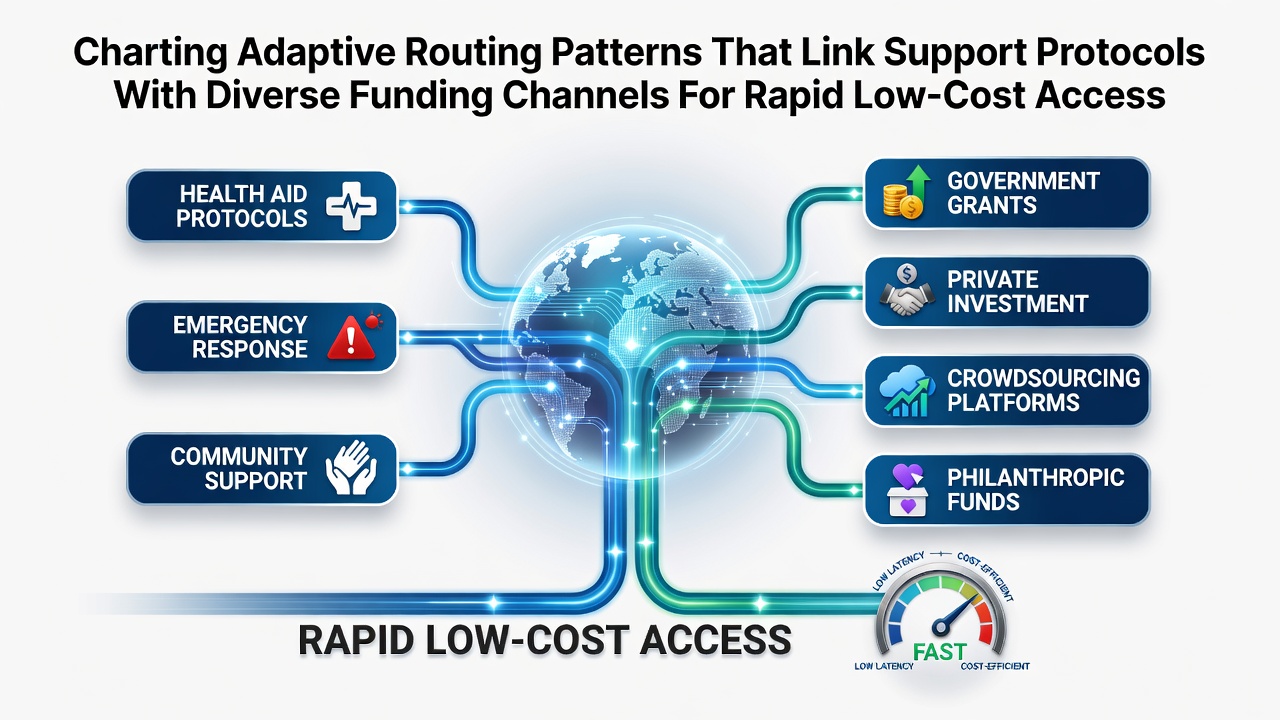
Payment networks continue to evolve as organizations chart adaptive routing patterns that link support protocols with diverse funding channels and researchers track these developments through detailed system analyses. Data from payment infrastructure studies reveal how these patterns enable rapid low-cost access by adjusting routes based on real-time conditions while support protocols handle verification and assistance tasks that keep transactions moving forward. In October 2026 updates to cross-border standards from the Bank for International Settlements are expected to further influence how these connections operate across regions.
Core Elements of Adaptive Routing in Payment Systems
Adaptive routing relies on algorithms that evaluate factors such as transaction volume, channel availability and cost structures before directing funds through the most suitable path and support protocols supply the necessary data points that allow these decisions to occur without delays. Studies from institutions like the Federal Reserve show that networks incorporating these elements reduce processing times by integrating assistance mechanisms directly into the routing logic rather than treating them as separate steps. Observers note that this integration creates smoother flows between banks, e-wallets and other digital accounts because the system can reroute when one channel encounters temporary constraints while maintaining overall efficiency.
Role of Support Protocols in Route Optimization
Support protocols function as the connective tissue that supplies transaction histories, user verification details and assistance records to routing engines and these inputs help determine which funding channel offers the lowest fees at any given moment. Research indicates that when protocols feed information continuously into the routing layer, systems achieve faster approvals because potential issues surface early and get resolved through targeted assistance rather than broad holdups. Those who analyze payment data find that this linkage proves especially useful during periods of high demand when multiple channels compete for the same resources and adaptive patterns shift loads accordingly to preserve speed and cost advantages.
Diverse Funding Channels and Their Interconnections
Funding channels range from traditional bank transfers to digital wallets and emerging options like instant payment rails yet adaptive routing treats them as interchangeable nodes within a larger network that support protocols monitor for performance metrics. Evidence from industry reports demonstrates that systems mapping these channels in advance can switch between them seamlessly when one experiences congestion or fee spikes while the underlying assistance frameworks ensure compliance checks remain consistent across switches. People who manage large-scale transfers often discover that pre-charted patterns allow for quicker adjustments because the routing logic already accounts for the unique characteristics of each channel and the support needs they generate.
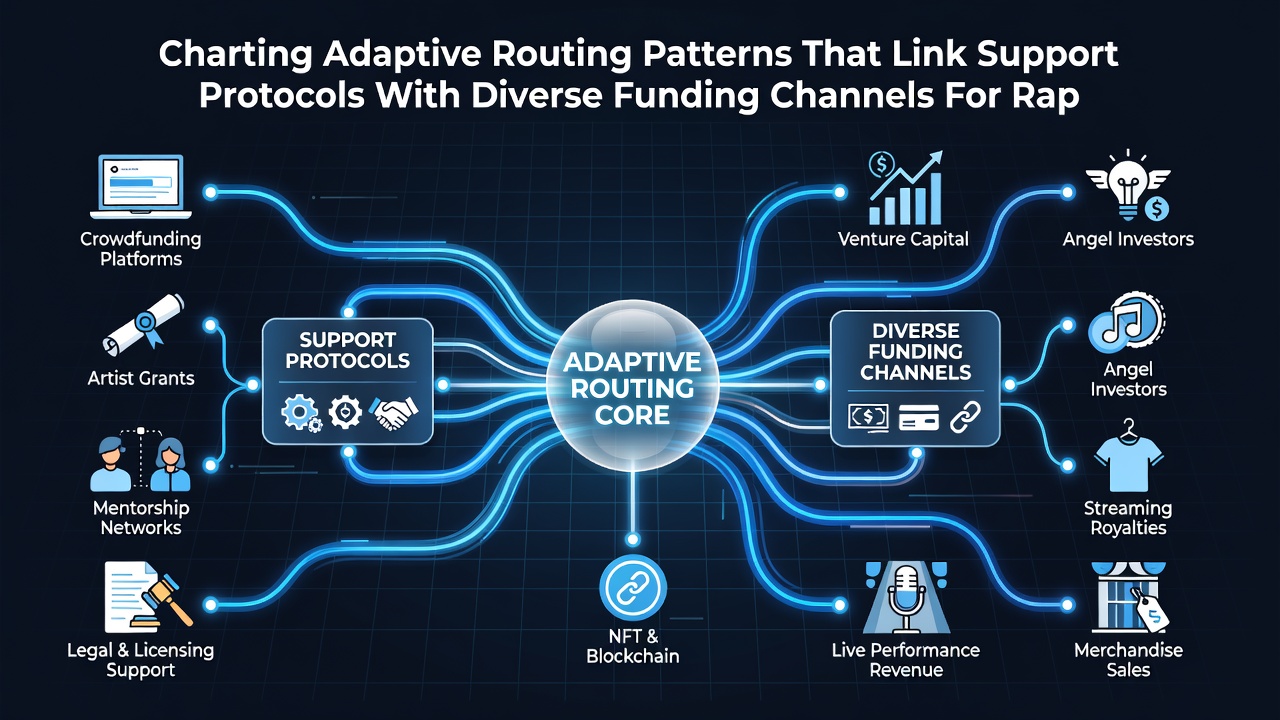
What's interesting is how geographic variations affect these interconnections because regulatory environments in different regions shape which channels receive priority in routing decisions and support protocols adapt by incorporating local requirements into the global pattern. A report from the Bank of Canada highlights examples where cross-channel routing lowered overall costs by 15 to 20 percent in tested scenarios through better alignment of assistance timing with channel availability.
Practical Applications in Current Financial Networks
Financial service providers apply these mapped patterns to handle bulk and individual transfers alike and the result appears in reduced fees plus shorter settlement windows that benefit end users who need quick access to funds. According to analyses conducted by academic researchers at institutions studying digital finance, networks that combine support data with routing flexibility show measurable improvements in handling peak loads without proportional increases in operational expenses. Yet the patterns require ongoing refinement because new funding channels emerge regularly and existing ones undergo technical changes that affect their suitability for certain transaction types.
Challenges in Maintaining These Adaptive Systems
Maintaining accuracy in route charting demands continuous data collection from support interactions and channel performance logs since outdated patterns can lead to suboptimal choices that increase costs or slow access. Those who oversee such systems emphasize the importance of real-time updates that reflect both technical conditions and regulatory shifts and this approach keeps the overall framework responsive to changing conditions. Data shows that organizations investing in integrated monitoring tools achieve more stable outcomes because they identify potential bottlenecks before they impact transaction flows.
Future Developments and Industry Trends
Industry forecasts suggest that by late 2026 further refinements in machine learning applications will enhance how routing patterns incorporate support protocol outputs across even broader sets of funding channels. European Central Bank publications on payment innovation point to collaborative efforts among providers that aim to standardize certain data exchanges while preserving flexibility for adaptive adjustments. These trends indicate that the linkage between assistance mechanisms and channel diversity will grow more sophisticated yet remain grounded in the same core principle of enabling rapid low-cost access through intelligent route selection.
Conclusion
Charting adaptive routing patterns that connect support protocols with diverse funding channels represents a practical method for achieving efficient transfers in contemporary payment environments and available evidence confirms the effectiveness of this approach across multiple implementations. Continued observation of system performance and regulatory developments will shape how these patterns evolve while preserving their focus on speed and cost reduction for users.